
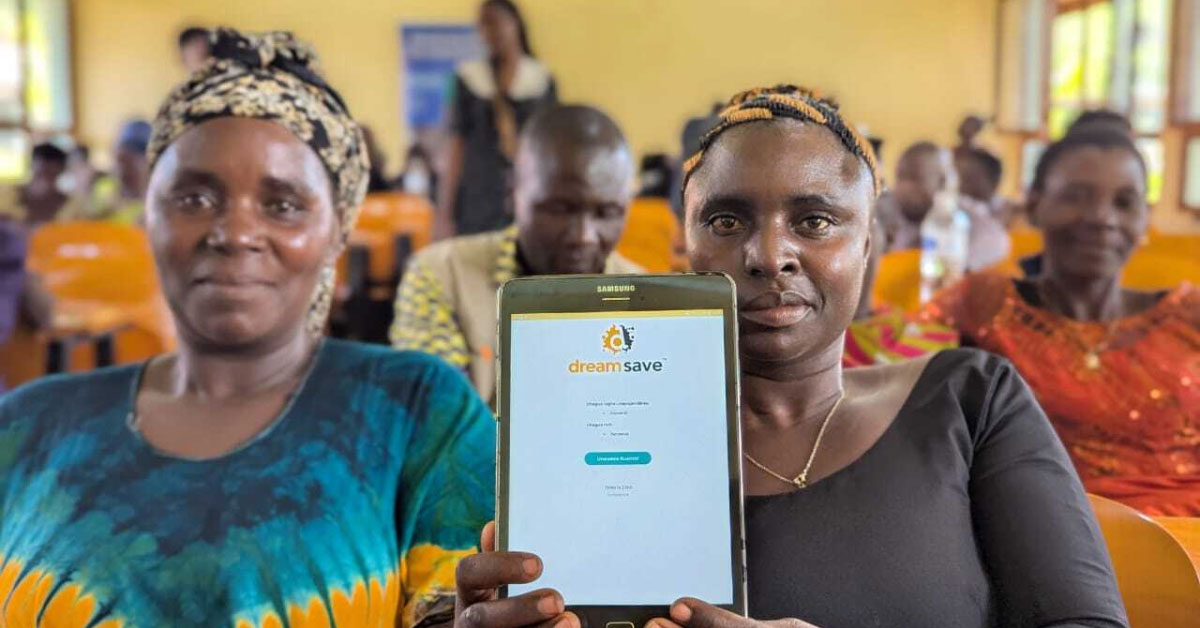
Savings groups have always evolved to meet the needs of the communities they serve. From traditional rotating savings systems to more structured models such as Village Savings and Loan Associations, communities have continuously adapted the way they manage collective finances.
Digitization represents another stage in that evolution. Digital tools can help groups record transactions more accurately, simplify complex calculations, and create financial histories that strengthen their ability to engage with the broader financial ecosystem. But introducing digital tools into savings groups is rarely as simple as installing an app.
Experience across savings group programs has shown that successful digitization depends less on technology itself and more on how adoption is introduced and supported. Digitization is not a one-time rollout. It is a behavior change process that unfolds gradually as groups gain confidence in using new tools. Understanding this process is essential for organizations seeking to introduce digital tools effectively.
Understanding the Barriers to Digital Adoption
Savings groups operate within real-world conditions that can shape how quickly digital tools are adopted.
In many rural communities, reliable internet connectivity may be limited or inconsistent. Smartphones may be shared within households or used primarily for basic communication. Electricity for charging devices may not always be available. These infrastructure constraints are often the first challenge programs encounter. But technical barriers are only one part of the picture.
Adoption is also influenced by social and behavioral factors. Members who have relied on paper ledgers for years may initially feel more comfortable with familiar systems. In some communities, concerns may arise about whether digital records could expose financial information or attract unwanted attention.
Trust, which is the foundation of savings groups, must also extend to the digital tools that groups use. For this reason, successful digitization efforts focus not only on introducing technology but also on helping groups build confidence in the systems they are using. Programs that approach digitization as a gradual transition rather than a sudden replacement of existing systems tend to see stronger adoption over time.
Planning Digitization Before It Begins
One of the most important lessons from savings group digitization programs is that preparation matters. Digitization works best when organizations assess readiness before introducing digital tools to groups.
This includes evaluating whether field teams have the capacity to train and support groups, ensuring that groups have access to appropriate devices, and establishing clear guidelines for how meetings will be conducted using digital tools.
In some cases, existing groups may need to reconcile their paper records before transitioning to digital systems. Newly formed groups, on the other hand, may begin operating digitally from the start.
Planning also involves defining practical routines that allow groups to operate successfully in their local environment. In areas with limited connectivity, for example, groups may need to identify reliable locations where data can be backed up regularly.
Clear expectations about device ownership, data costs, and charging solutions can also help prevent disruptions later. When these elements are addressed early, digitization becomes easier for groups to adopt and sustain.
Supporting Field Agents and Facilitators
Field agents play a critical role in the success of savings group digitization. These facilitators often serve as the bridge between technology and community adoption. Their role is not only to train groups on how to use digital tools but also to build confidence in the process.
Effective training ensures that field agents can guide groups through common scenarios, such as registering a new group, recording meeting transactions, and resolving basic technical challenges.
Equally important is helping facilitators understand their role in building group independence.
Field agents are most effective when they support groups during the early stages of adoption—particularly during the first two to four meetings conducted digitally. During this period, groups develop familiarity with the tools and begin building routines around digital record-keeping.
Over time, field agents gradually step back as groups gain confidence and operate more independently. This balance between support and independence is key to long-term adoption.
Turning Digitization Into a Routine
For savings groups, the first few meetings conducted digitally are often the most important. Groups that begin using digital tools immediately after training tend to retain knowledge more effectively. Long delays between training and first use can lead to uncertainty or loss of confidence.
Programs that support groups during their early meetings help establish the habit of using digital tools consistently.
Some groups may initially maintain both paper and digital records while they transition to the new system. While this dual approach can provide reassurance during the early stages, it is most effective when programs define a clear point at which groups fully transition to digital records.
Another important practice is establishing a technology fund within the group. Small weekly contributions toward device maintenance, mobile data, and charging costs help ensure that digital tools remain sustainable after the initial rollout. When groups plan for these practical needs, they are more likely to continue using digital tools consistently.
Monitoring Adoption and Supporting Groups Over Time
Digitization does not end once groups begin recording meetings digitally. Programs that achieve long-term success typically establish regular monitoring routines to understand how groups are progressing.
Monitoring allows organizations to identify early warning signs that adoption may be slowing. For example, groups that record one or two meetings digitally and then stop may need additional support or refresher training.
Other signals—such as infrequent data backups, incorrect transaction entries, or prolonged reliance on paper ledgers—can indicate that groups are struggling with specific aspects of the transition.
Responding quickly to these signals helps programs maintain momentum and build confidence among groups. Structured monitoring also helps organizations identify strong groups that can serve as examples for others.
Learning From Digitization in Practice
At DreamStart Labs, we have worked alongside partners supporting savings group digitization across Africa, Asia, and Latin America.
Through DreamSave, groups can record savings, loans, and share transactions digitally while maintaining the meeting structures and governance practices that define savings groups.
At the same time, DreamInsights provides organizations supporting savings groups with tools to monitor program performance, review group activity, and identify where additional support may be needed.
Across our network, DreamSave currently supports more than 35,000 savings groups serving over 750,000 members. These experiences continue to reinforce an important lesson: successful digitization depends not only on the technology itself but on the systems and support structures that help groups adopt it confidently.
Looking Ahead
Savings groups have always been shaped by the communities that use them.
As these systems continue to grow and evolve, digital tools offer new opportunities to strengthen transparency, improve recordkeeping, and expand connections with the broader financial ecosystem.
When introduced thoughtfully, digitization can help savings groups continue doing what they have always done best—providing communities with accessible, trusted financial systems built on cooperation and shared responsibility.